How to Self-Publish a Children’s Book
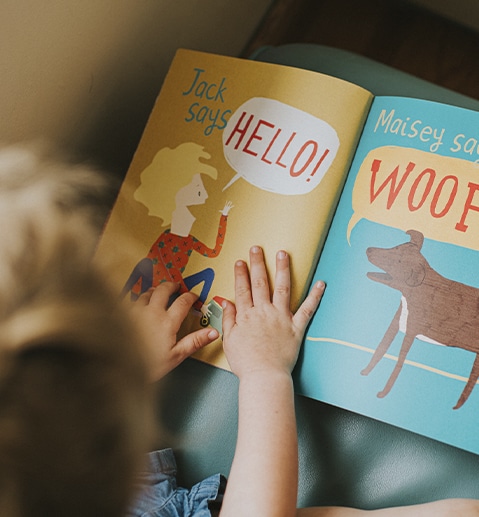
Self-publishing is a process that comes with its unique challenges and costs, but does your genre or target audience affect things? How does one self-publish a children’s book? Aren’t children’s books “simple” and “easy?” There is some important differences between self publishing a book in general and self publishing a childrens book.
There are some key features of children’s literature, or #kidlit, that can drastically affect your publishing schedule and upfront costs. Oh, yes. Even a book that’s “only” 36 pages will take much longer than you might think.
How To Either Submit A Children’s Book To A Publisher or Self-publish A Children’s Book
One important thing to consider when putting together a children’s book is the message you’re sending. Is it timely, such that it’s relevant to children today? The lesson should be clear and reflective of your audience. As the U.S. becomes more and more diverse, inclusivity is increasingly part of the message we’re seeing in many children’s books published today. Create a storyboard for your book and get to writing so you can get a round of edits in before moving forward with the next bit.
Illustrations as a Key Feature
The most apparent difference between a general adult book and a children’s book is the number of illustrations. This varies depending on whether we’re talking about picture books, chapter books, middle grade, and everything in between. Illustrations take time to create, and unless you’re doing them yourself, it can cost quite a bit. Illustrative Services like Palmetto Publishing can match you with an illustrator, or you can hire on your own.
The average reader doesn’t always fully appreciate just how much work goes into making those beautiful, colorful pages that bring the story to life. Many of those pages are paintings or made by meticulously cutting colorful bits of paper, or are enormous pencil drawings, and the list goes on and on. How the text interacts with the illustrations, such as placement of the actual words, and the style of the drawings themselves, plays a part in your book’s design as well. All of this takes meticulous planning and, of course, time. Because of all of this, your now illustrated book goes to a professional book formatter, and then another round of editing happens.

Proof, Print, and Publish
Consider the end product. Depending, again, on your audience and what sort of book you’re creating, your book might be a rather large hardcover with full-color illustrations splashed across every page, or it may be the size of a paperback with black and white drawings. Whatever the case, after formatting and edits, the actual printing of a book involves some significant decision-making.
The size of your print run can affect your cost per unit, and some authors can pay for 500+ books upfront to increase their royalties later. But before actually doing that, you should order some proofs. These are test prints of your book with your desired printer (or with more than one if you’re between options) that go through yet another round of editing, beta reading, and show you what the final product will look like once it’s physically out in the world. Proofs can go out as review copies to folks who are well-read in your genre, and you can make any final revisions.
Contact Palmetto Publishing For Help To Get Started
The rest of the process to publish a children’s book, as with any other book, is marketing, printing, and distributing. Remember that the folks with actual buying power are not children, but their guardians, teachers, and librarians. Your story needs to appeal to children because they are your target audience, but you’re not necessarily marketing to them if you’re publishing, say, a picture book. Contact us and adjust your marketing strategies with help from Palmetto Publishing, and get your book out there!
Get Started On Your Publishing Journey
Or call us
888 408 8965
Related Articles
How Much Does it Cost to Self-Publish a Book?
Choosing to self-publish means agreeing to some upfront costs, and that amount is not static. How much it costs to self-publish a book really depends upon your personal expertise and comfort level, and the level of professional services you hire. Depending on the services you use, you might prepare to pay as little as $1000…How To Get Funding For Your Book
When self-publishing, authors become business owners in a sense but with one product: their upcoming book. Like any business venture, you have your stakeholders and customers. If you set it up correctly, you need to raise funds, work with editors, and talk directly to readers and fans to pay the bills of publishing your book…How to Become a Co-Author of a Book
Popular authors in high demand are faced with the pressure to produce more books. To help relieve some of this pressure, an author may seek out a co-author. What is a Co-Author A co-author is someone that contributes a substantial amount of work to a project. They are also known as a joint author…