Writing Tips: When Do You Know Your Book Is Done?

Letting go can be hard, and many authors know this firsthand. Your arcs have come to a satisfying resolution, and yet your critical eye still manages to find something to polish. You could tinker away until doomsday.
Or you might be the opposite, chomping at the bit to get that book out into the world and wrapping it up before it’s ready. So how do you get out of your own way when your book is truly finished?
Here are a few writing tips for knowing when you can stick a fork in your work and call it done.
The Writing Process
The process for writing a book looks a little different for everyone. Some writers. Some writers love to plan every detail beginning with a meticulous outline and carve out each chapter in chronological order.
Others start with the end — or the middle — and write a cacophony of chaotic passages until they form a coherent story. Some finish their first draft in ten days and others may take ten years.
Tips for Writing
To bring some method to the madness, there are a few things you can do to stay on track.
Stick to a Schedule
It’s difficult to regulate creativity. But life has a habit of getting in the way of things when you’re not intentional about them. So try to make a schedule that works for you.
It can be as relaxed as planning to write for ten minutes every Tuesday or as rigorous as waking up early to write daily. Either way, try to make a commitment you can stick to.
Make it Manageable
Thinking about your story in its entirety can drive you crazy. To save your sanity, start small. Draft descriptions for your main characters, then move on to summarizing their arcs. Maybe then you’ll be ready for the first chapter, then the second chapter, and so on.
How to Finish Writing a Book
Often, knowing when a book is done comes down to a gut feeling. Maybe your characters have nowhere left to go, or maybe you’ve fallen in love with your manuscript again after being sick of it for months.
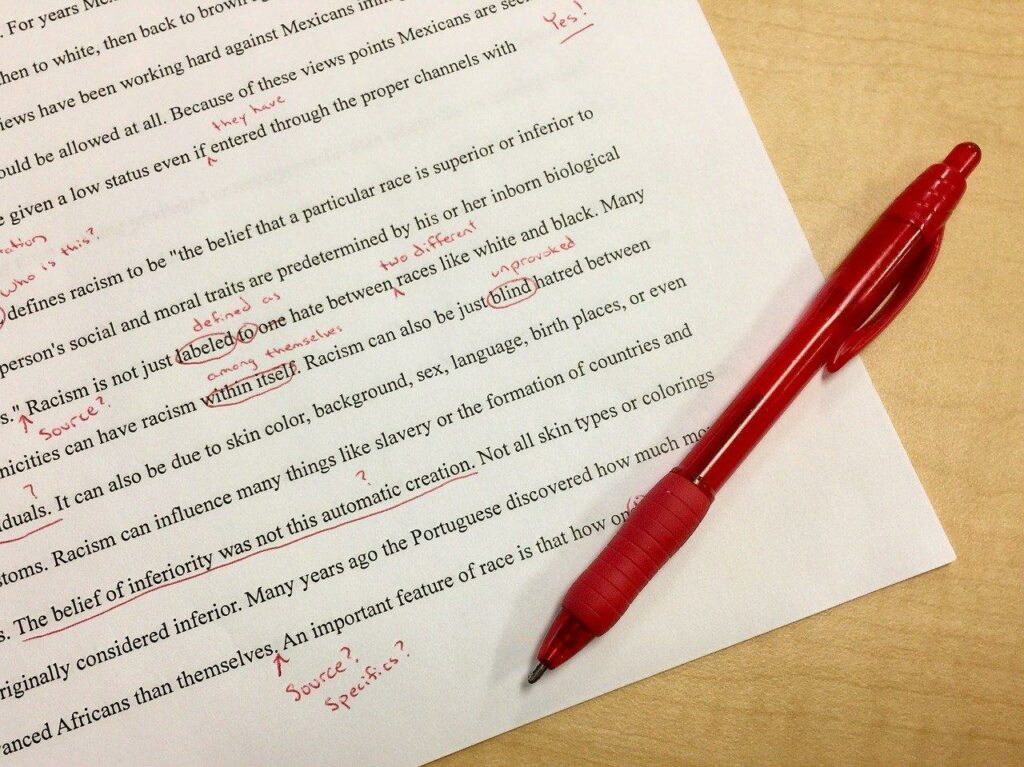
Realizing your story has come full circle is great, but that’s not the end. Now you have to edit — which often starts another round of continuous tinkering. You can be merciless with the red pen, but eventually, you’ll need to draw the line.
That’s when it’s time to find fresh eyes. Get an editor you can trust to give you honest feedback and revise from there. This might be a good point to call in some professionals to help you fine-tune things.
Knowing Your Book Is Done
When you’re ready to wrap up your beloved book, you know you’re close to releasing it into the wild. With Palmetto Publishing, you don’t have to go it alone. An able group of editors, graphic designers, marketing experts, and more are available to help you get your baby past the finish line.
Reach out to Palmetto Publishing today and take the final steps of your publishing journey.
Get Started On Your Publishing Journey
Or call us
888 408 8965
Related Articles
7 Steps to Writing a Great Book Proposal
So you wrote a book — now what? Writing a manuscript is a huge accomplishment, of which you should be proud. However, now that your manuscript is finished, your next hurdle is to get it published. The good news is that a publishing company can help with that. But to do so through a publishing…The 3 Levels Of Book Research
It begins with a spark — an idea for writing a book. Then that spark snowballs to form the concept and perhaps the outline. Now you need to develop the meat of your book by researching. How to do book research Researching a book is the fun part for some authors and a necessary…Different Types of Book Editing
Sharing a book you’ve written is like introducing a child you’ve raised. You’ve poured your heart and soul into it. You want it to be excellent. And it can be — but no one can do it alone. That’s why book editing services are so important. Why Do You Need a Professional Editor? Authors are…