Finding the Time for Writing a Book

Finding the time to write
Every writer has been in the same dilemma at one point or another: they don’t have enough time to write. It could be because of kids, a partner, or endless work meetings. If you’re in the same position yourself, don’t fret — with the right amount of planning and persistence, you will create the perfect writing schedule for you.

Scheduling is an important part of the overall writing process,
Writing a novel
At Palmetto Publishing, we offer services created to make the self-publishing process simple and easy. But we understand that writing a novel is not an easy feat. Moreover, there seem to be many ways to approach the task, but the most effective way to ensure you get the job done is by forming a habit of whichever path you choose. As such, there are a few popular routes that most writers follow.
Planning out your novel
The first step towards developing a good writing schedule is planning writing. A successful plan consists of a solid outline of your novel, including the important plot points, in-depth character descriptions, and a list of any resources you can refer to later on. Ensuring you have the necessary research completed beforehand will limit the amount of roadblocks and distractions you have to face.
Making a writing schedule
It is crucial for the book writing process to settle on the right schedule for you to consistently write. To settle on the right schedule for you, consider what time of day you are most productive. For some, that’s early morning, and for others, they get their best ideas late into the night. After you’ve decided, you can play around with different writing methods until you find the one that motivates you the most. Common and popular methods include:
- The short burst method: This method includes continuously writing for a short amount of time, such as 20 minutes. For this period, you won’t stop writing until the time is up. This is a good choice for those with a busy schedule.
- The Pomodoro method: Both a popular writing and studying technique, this involves writing for 25 minutes, taking a short 5-minute break, then writing again for 25 minutes. These times can be altered if desired.
- The opportunist method: The opportunist seeks time for writing throughout the day, whether it’s during their morning commute, lunch breaks at work, or when their family is watching TV. If you’re more of a spontaneous writer, this will be the perfect pick.
- The planner method: If you don’t mind writing for long periods, you’ll benefit from planning out time slots ahead of time where you can write for one or several hours at a time.
Sticking to your timeline
It’s one thing to craft a writing schedule, but it’s another thing to stick to it. To ensure you follow your schedule, you can use certain strategies to hold yourself accountable. For instance, you can share your schedule with relatives so they can remind you of your writing time. You can also create a writing log to track words written for the day to show your progress. Alternatively, include writing time in your calendar alongside appointments and meetings to emphasize its importance.
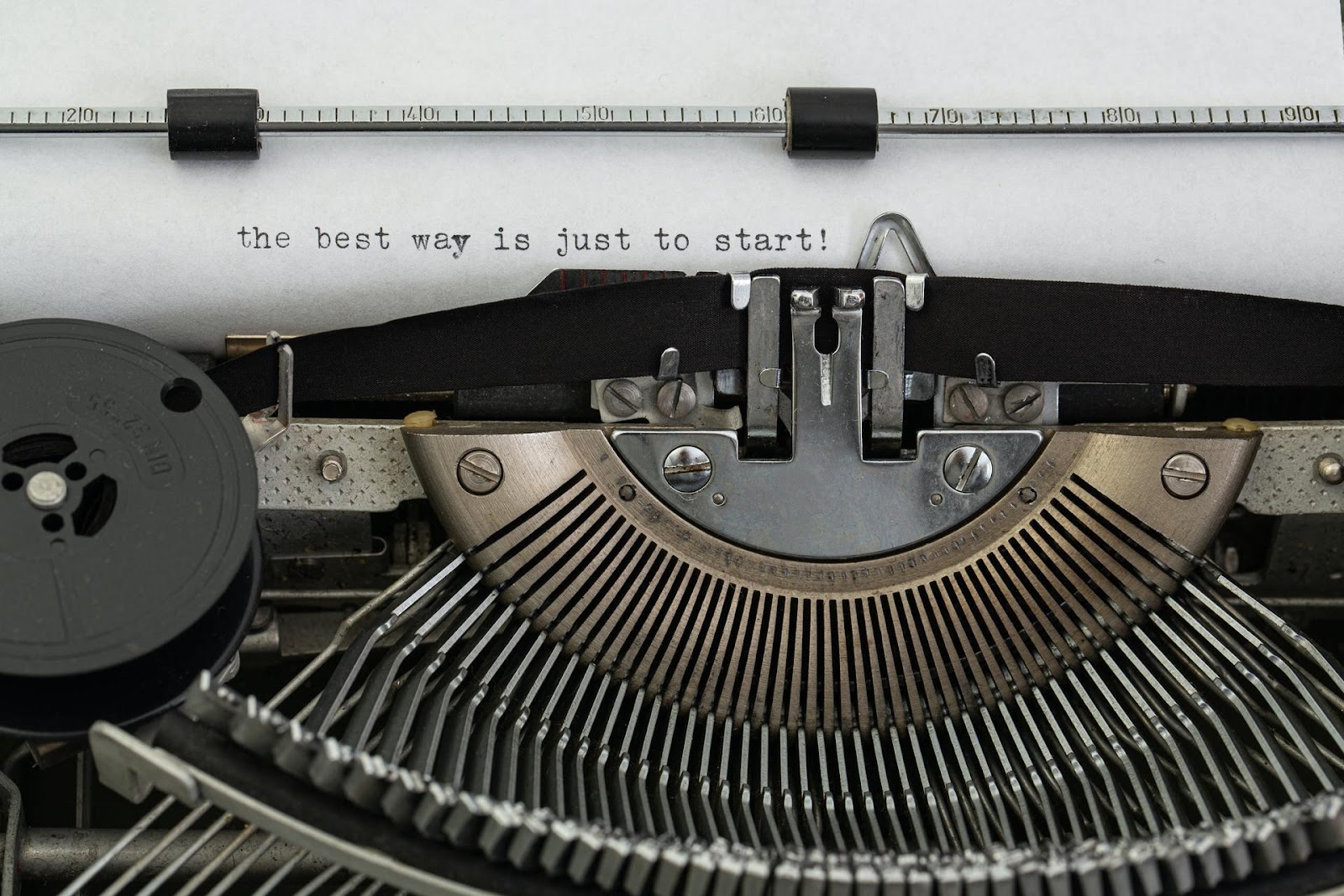
Of course, the first step to any writing is starting!
Once you’ve finished writing a book, you’ll have to consider the next steps. Palmetto Publishing has you covered with multiple publishing services, including editing, illustrating, marketing, and so much more. Contact us today.
Get Started On Your Publishing Journey
Or call us
888 408 8965
Related Articles
How-to: Book Marketing Tips to Increase Your Search Results for Online Retailers
You’ve written a book. You’ve gone through the book printing process and found online retailers that will list your book for sale. Now you wait for the sales to come rolling in. Right? Wrong. First, you need to tell people your book exists. A profitable book marketing strategy will get traffic to those book-selling sites….Exclusive Interview with Road to Antietam Author Tom E. Hicklin
We had the opportunity to chat with Tom E. Hicklin, author of the newly released Road to Antietam, about his writing process, how he deals with writer’s block, and why he decided to write Road to Antietam How do you approach writing? Do you have a routine or process that you follow? I am very much a…Setting the Right Book Price
You did it! Your manuscript is finished, edited, formatted, and ready for publishing. Now you need to figure out the appropriate price point for your masterpiece. Book Pricing Correctly pricing your self-published book can be tricky, especially if you’re an unknown author. You don’t want to price it too low and lose out on…