Writing a Strong Opening Sentence

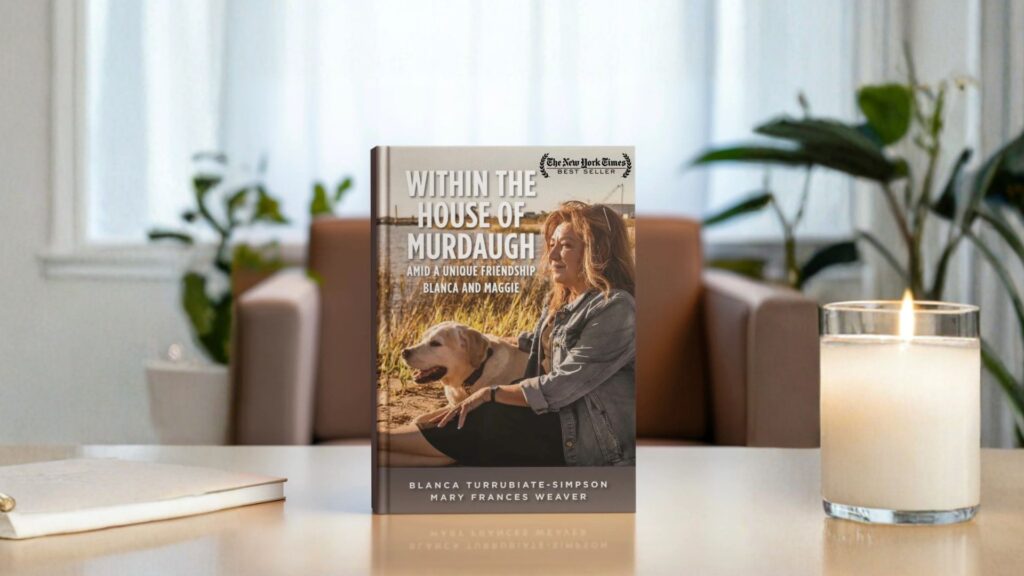
Whether your potential audience is reading your work in a bookstore or online, you have a short amount of time to grab their attention. Everything from the cover and title of your book can help catch your reader’s attention.
In addition to the cover, the opening sentence plays a vital role in determining if a consumer will purchase and read your book.
How to Write a Strong Opening Sentence
Many authors get stuck when it comes to writing opening sentences — and for a good reason.
An opening sentence is also known as a hook sentence because it’s meant to capture the reader. That’s a lot of pressure to put on one sentence.
The following steps can help you nail that perfect opening sentence.
1. Ask a Question
Using a question as your opening sentence is a great way to hook your audience. At the very least, you’ll pique their interest. At best, you’ll sell them on your writing and keep them wanting to read more.
There are several types of questions you can use to create a compelling opening sentence:
- Open-ended question
- Probing question
- Leading question
- Loaded question
- Rhetorical question
2. Catch Your Reader’s Attention
No matter which type of question you use, it should be something that captivates your reader and makes them want to learn more. If using a question isn’t your preferred style, there are other ways to catch your reader’s attention.
Here are a few opening sentence styles to help you get the creative juices flowing:
- Open with a story that’s already in progress
- Make a big claim with a pitch-style opening
- Create suspense to generate curiosity
- Introduce a shocking statistic
3. Edit
There’s no rule that says you have to write your opening sentence first. In fact, many authors write their opening sentence last.
As your book develops, don’t be afraid to revisit your opening sentence and change it to better mirror the tone of your book.
Why is the Opening Sentence Important?
The average consumer makes their purchasing decisions in under 20 seconds. Therefore, your book has less than 20 seconds to catch your reader’s attention with a hook sentence.
The first things they’ll notice are the book cover and title. After that, they might glance at the back of the book to see what it’s about, or they might turn directly to the first page and read the first few sentences.
The opening sentence can be what convinces the reader to purchase your book.
Engaging Your Reader
You can use your opening sentence to do more than hook your readers. You can also use it to engage with them by expressing your enthusiasm or making an emotional connection. By provoking an emotion, your reader may feel closer to you and want to read more.
Introducing Key Concepts
Your opening sentence can also introduce key concepts the book will explore. On the other hand, you may choose to have your opening sentence lead into the key concepts. Whatever you decide to do, try to make it as engaging as possible.
How Palmetto Publishing Can Help
Palmetto Publishing offers many services that will ensure your book is successful. Our knowledgeable and friendly staff can assist you with everything from book design to editing and marketing. Contact us today for more information about how we can help you.
Get Started On Your Publishing Journey
Or call us
888 408 8965
Related Articles
How To Choose An Illustration Style
What are your favorite books? Call to mind the books that stood out to you in childhood through adolescence and into adulthood. Can you envision the book illustrations, either the internal illustrations or the book cover design? Of course, the primary substance of a book comes from the written story itself and the book editing….How to Become a Co-Author of a Book
Popular authors in high demand are faced with the pressure to produce more books. To help relieve some of this pressure, an author may seek out a co-author. What is a Co-Author A co-author is someone that contributes a substantial amount of work to a project. They are also known as a joint author…Different Types of Book Illustrations
Illustrations aren’t just for children’s books. No matter what genre you’re writing for, book illustrations can help create an immersive experience for your readers. Many popular books offer an illustrated version that allows the readers to see the author’s vision. Additionally, illustrations help convey messages and draw attention to specific details. Illustration Styles The…