5 Questions About eBooks
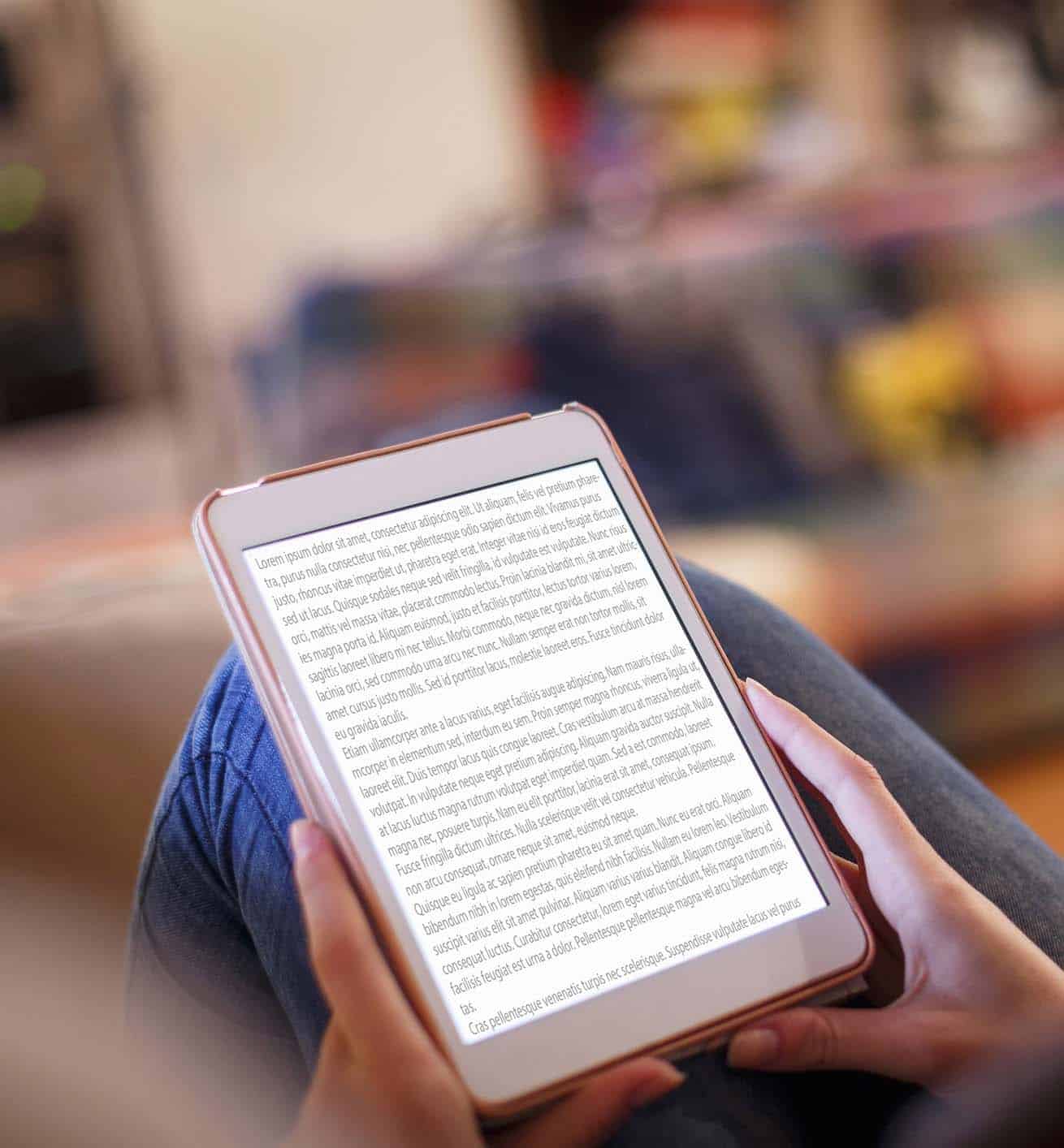
Creating an eBook takes patience and some technical know-how. Still, it is a feasible and viable option for any author, especially if they want to reach their target audience’s broadest potential.
We’ve gathered and answered the 5 questions about eBooks we are most often asked to get you started on this worthy endeavor. At any point, Palmetto Publishing is ready to help!
eBook Basics
1. What is an eBook?
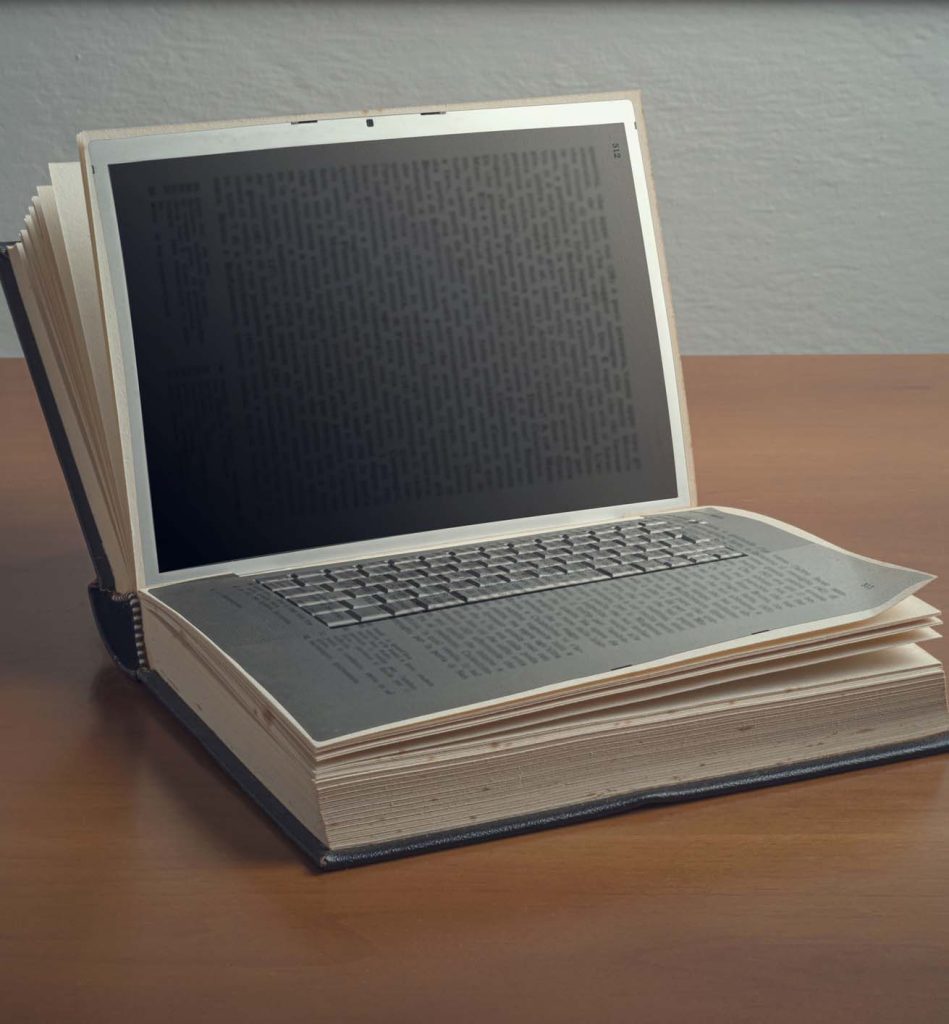
An eBook is a non-editable digital version of a manuscript, formatted for electronic readers and converted into files that can read them. Many would argue that an eBook is superior to a printed book (and vice versa), but in reality, both have benefits and drawbacks.
eBooks come primarily in two formats: standard and fixed layout formatting. Standard eBook formatting uses real-time flowable or ‘reflowable’ text for reading capabilities on any eReader or screen and adjusts the font size and style to fit your reading preferences.
A fixed layout preserves the printed page’s qualities, so the content remains static or ‘fixed’ despite screen size or device. With this option, authors maintain control over their book’s reader experience, though most eReaders will allow the reader to zoom in and out.
PDFs can’t be edited, but they aren’t reflowable, so technically, they don’t qualify as eBooks. However, with the ease of PDF downloads and distribution, PDFs have become “unofficial” eBooks and are widely used eBook formats.
2. How do people buy and read eBooks?
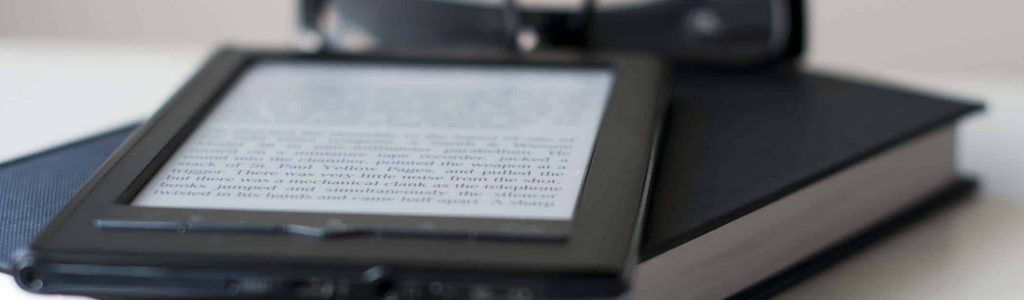
eReaders were explicitly developed for reading and storing eBooks. An eReader is simply a handheld device that eBooks can be read on. Some of the most popular eReader devices which people can buy and read eBooks on include:
- Amazon’s Kindle
- Rakuten’s Kobo
- Barnes & Noble’s Nook
eReaders are great as a dedicated space for your online library, but they can also be expensive, especially if it’s not your preferred method of reading books. That’s why it’s also convenient that an eBook can be read on any digital screen, which includes:
- Computers/Laptops
- Tablets
- Smartphones
3. What is eBook Conversion?
eBook conversion is the process of converting a manuscript into a non-editable digital file, readable by eReaders. EPUB, AZW, and PDF are three of the most known and used file formats for eBooks conversion because of their ease of use and wide distribution.
Converting your eBook is not as straightforward as hitting ‘save as PDF’ from a Word document. Some significant differences must be accounted for when editing a manuscript to format correctly into reflowable text.
Also, on specific platforms like Amazon, you are required to convert your manuscript into their exclusive file type (AZW). If you’re not familiar with the eBook conversion process, then hiring professional publishers will save you much headache.
4. Will my eBook read and look just like my printed book?
The short answer is no. But this is an area in which many of the advantages of eBooks over printed books can shine, for example, including multimedia in your text for a more immersive experience, including hyperlinks for additional information, and ultra-clear, high-resolution images to accompany your text.
5. How long will it take to create an eBook?
Once you have a manuscript, formatting an eBook and converting it into an eReader-friendly file takes a fraction of the time. Use our tips for creating a system of files that contain an eReader-ready copy of your manuscript, all images, and meta information (author bio, ISBN, book description, publisher information), then in the hands of a professional publisher like Palmetto Publishing. You can have your eBook ready in as little as a week.
Get Started On Your Publishing Journey
Or call us
888 408 8965
Related Articles
How Much Does It Cost to Market A Book?
You’ve worked hard to write and polish your book, and you want to ensure it gets into the hands of readers. Many writers hope that the quality of their writing and illustrations will attract audiences, but even the best book won’t sell copies if readers never hear about it. If you want your book to…Print Books Vs. eBooks: Why not both?
There was a time when eBooks were taking over the book publishing market. However, while digital media has more significantly disrupted other tangible press (think of newspapers and CDs), people continue to love owning physical books. Physical books still outsell e-books, and according to Nielsen Book International, genres that do well in print include nature,…Does It Matter How You Publish?
Does It Matter How You Publish? Technological advancements have led to a lot of change in the publishing industry. In the past, authors had few options when it came to getting their work published. If you weren’t able to find a publisher, then your book likely didn’t get published. The digital era has created…