Different Types of Book Illustrations
Illustrations aren’t just for children’s books. No matter what genre you’re writing for, book illustrations can help create an immersive experience for your readers.
Many popular books offer an illustrated version that allows the readers to see the author’s vision. Additionally, illustrations help convey messages and draw attention to specific details.
Illustration Styles
The first step to adding illustrations to your book is to decide what scenes you want to illustrate. Once you’ve determined the “what,” the next step is to decide which illustration style to use.
Learn more about the most popular book illustration styles.
Traditional Book Illustration
With the traditional book illustration style, the illustrator typically uses pencils to draw the picture and watercolors to paint the details. As a result, the illustrations are colorful and detailed. This style is typical in children’s books — especially fairytales.
Graphite Book Illustration
The graphite book illustration technique uses a graphite pencil. The illustrations are black and white and can range in design. This style is an excellent choice for realistic illustrations. However, it can also be used for black and white cartoons.
Marker Book Illustration
Marker book illustrations are great for creating colorful cartoons. Some excellent uses for this type of illustration include comic books and manga.
Pen and Ink Book Illustration
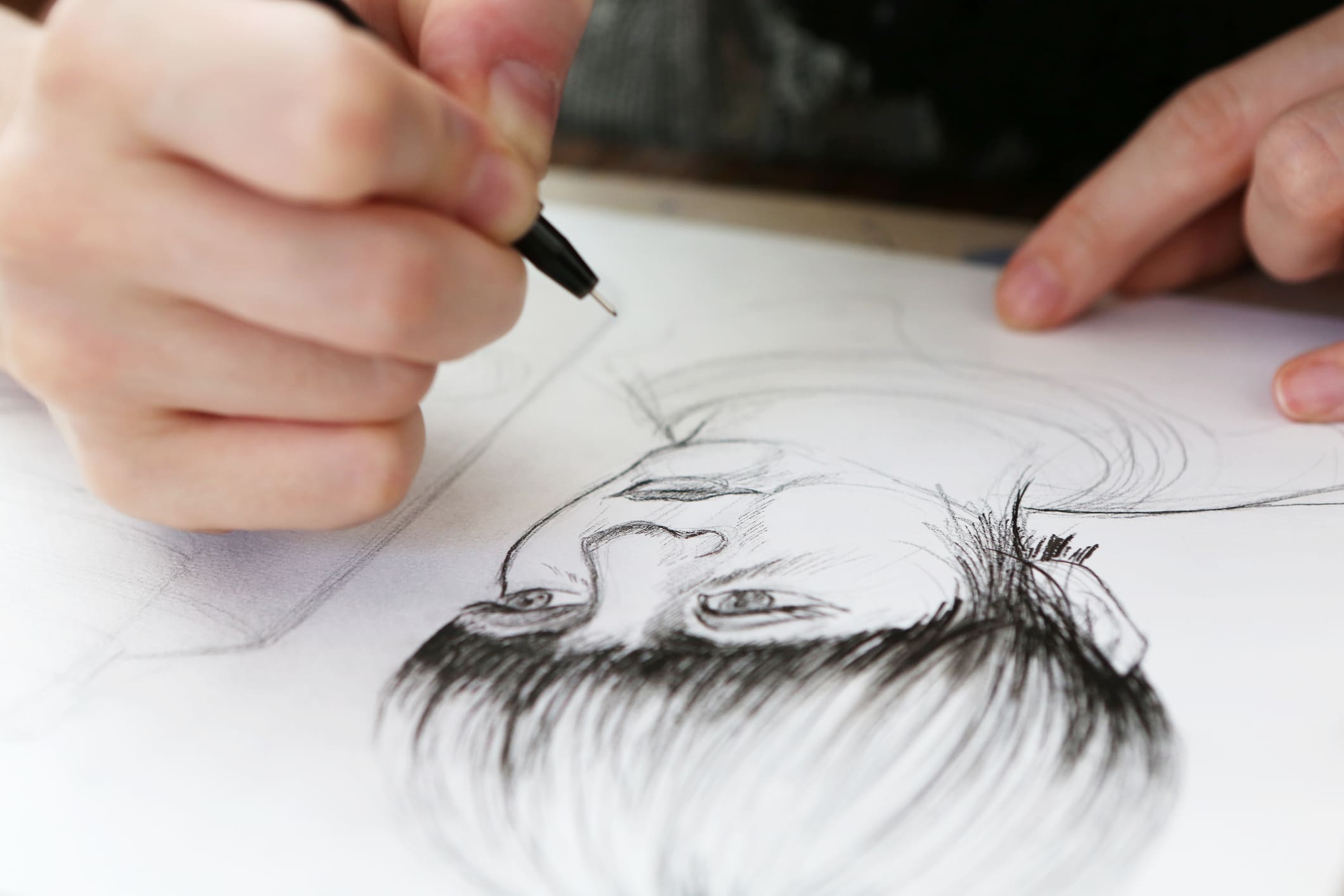
The pen and ink book illustration style results in bold pictures. This style can be very detailed, but shading with this technique can be challenging. Illustrations using pen and ink can be black and white or colorful.
Color Pencil Book Illustration
Color pencil book illustrations can range from pale pastel colors to vibrant, bold colors. When using this style, the lines are smooth and not as bold as ink illustrations. Additionally, the color pencils can blend to create very detailed and colorful images.
Watercolor Book Illustration
Watercolor book illustrations create a delicate, transparent look. They are usually paler and often used for serious scenes. However, they can also be used to make beautiful scenes for children’s books.
Acrylic Book Illustration
Acrylic book illustrations create stunningly vibrant pictures. With acrylic paints, the illustrator can easily create various textures using vivid colors.
Freehand Digital Book Illustration
Freehand digital book illustrations are a great way to create an image that looks like a painting but is actually digital. One of the many benefits of using this type of illustration is how easy it is to modify the image.
The illustrator uses layers to create the image. If you want to change the image, illustrators can simply modify the layer or layers. Therefore, they don’t have to recreate the image from scratch.
Digital Vector Book Illustration
Digital vector book illustrations are created using digital coding. By using this method, an illustration’s size and dimensions can be changed without being distorted.
For More Information on Illustrations for Your Book, Visit Palmetto Publishing
The professional book illustrators at Palmetto Publishing are eager to help create the perfect illustrations for your book. Contact our friendly support staff for more information about our services.
Get Started On Your Publishing Journey
Or call us
888 408 8965
Related Articles
Why You Need a Cover Designer
The cover of your book will be the first thing a potential reader judges. We’ve all heard the phrase, “Don’t judge a book by it’s cover,” and yet we all do it. Your cover design should spark an engaging reaction from your potential readers. To do this, you need a cover that speaks to your…How To Handle Editing and Feedback
All aspects of the making of a book are important, but in the hierarchy of things that are important, your editor is near the top. You may have given your book legs, but your editor will give it wings. Being able to handle the feedback you’re getting from them, be it good or bad, is…How To Push Through Delays
Writing a book is a daunting task. As you may have already discovered, it calls for much more than having a great story in mind. You will likely hit some roadblocks in the writing and publishing processes. In addition to writing, there are details like developing a professional book design, book interior formatting, book title…