Why do you need professional book editing services?
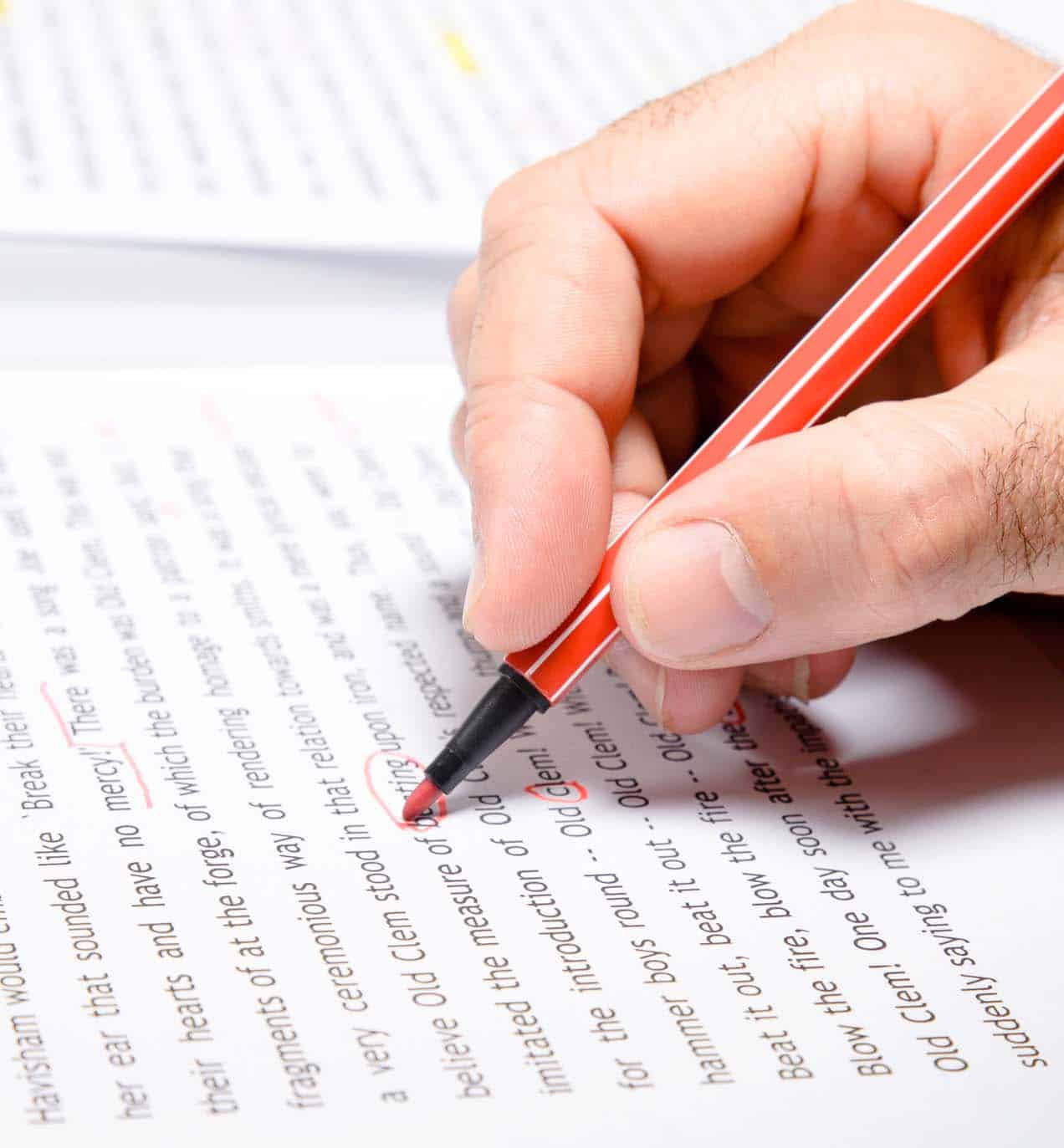
It’s important to know which kind of edit you need and why you need professional book editing services to ensure you publish the best book possible. When talking about book editing, we’re talking about a variety of services.
For example, a developmental edit includes feedback on big picture stuff; a line edit includes rewrites, improved word choice, restructuring; or copy editing to catch typos, primarily focusing on grammar and punctuation.
Read on to know why a professional editor is not the same as book editing software.

Book Editing Services Are An Important Investment
Some might think, “I don’t need an editor because I’m already pretty good at spelling and grammar.” However, correcting spelling and grammar mistakes is only one kind of editing, and even then, no one should be the only editor on their book. We can’t see our own mistakes after a while since our brains fill in what’s not there. Even when we ask fellow writers to be our beta readers, we most likely get conflicting advice based on personal opinion, individual experiences, and reading preferences. Without professional training, beta readers don’t have the tools to edit a book comprehensively. One tip when self editing is to try changing the font in your manuscript to trick the eye into seeing your words in a new way which may help you pick up on additional errors.
Professional Editing vs. Book Editing Softwares

Online Book Editing Software
Even though professional editing is highly recommended to ensure a smooth reading experience for your readers, it is still good to go ahead and edit your book pre-publication with online tools available to you before you submit the book to a publisher.
Book editing software has become increasingly popular in recent years as a tool for writers looking to polish their work. However, it is important to understand that no software can replace the critical eye and expertise of a human editor. Many advanced options make automated tools excellent for conducting spelling and grammar checks, but you shouldn’t trust them unconditionally. While book editing software can help identify some errors and inconsistencies, it is far from perfect and cannot catch everything.
Here are just two reasons why book editing software falls short:
- Lack of Contextual Understanding
Book editing software is based on algorithms that are programmed to identify specific errors such as spelling mistakes, grammatical errors, and sentence structure issues. However, these programs lack contextual understanding and cannot interpret the meaning of a sentence or the intent behind the words.
- Inability to Detect Style and Tone
Book editing software cannot detect the author’s intended style and tone. While some software programs may have a style checker that suggests changes to make the text more concise or engaging, it cannot replace the personalized touch of a human editor who can suggest changes that align with the author’s specific style and tone.
In conclusion, while book editing software can be a useful tool for writers, it is important to understand its limitations. Automated software lacks the contextual understanding, personalized touch, and expertise of a human editor. It is essential to recognize the importance of human input in the editing process and to seek out a skilled editor to ensure the highest quality work.
Professional Book Editing Services
Editors are critical for making your writing “tight” and immersive. An editor reviews and revises a story on a macro and micro level to review elements like grammar, clarity, accuracy, and content to make sure a book is ready to move to the next level and closer to getting published.
Just based on the feedback of a professional editor, you will learn and improve your craft. You can then carry those lessons into your next book, making it an investment in your writing future.
There are three broad areas of professional editing:
- Copy editing seeks to fix grammar, spelling, and factual errors.
- Line editing focuses on the flow and feel of your language.
- Developmental editing will focus on the plot, the characters, and the story as a whole.
So how do I know what kind of editing I need? When you contact a publisher like Palmetto Publishing, we may ask to see your manuscript to determine what kind of book editing services you need accurately. We can also ask questions to find out what your goals are for editing to prescribe you the best solution.
Here’s an example of how we make a recommendation on our services:
- A partially formed idea or incomplete manuscript requires a developmental editor.
- If you are looking for feedback on clarity and style, you need a line editor.
- If your writing style and story are set, then you need a copy editor.
Feel free to get in contact anytime, and we’ll help get you started. Palmetto Publishing isn’t some giant faceless corporation. We are a family-owned business and team of professionals that love what we do and are personally committed to seeing your dreams come to fruition.
We are your publishing team, and we’ll put in the time to ensure your book is finished to your exact specifications, 100% satisfaction guaranteed.
Get Started On Your Publishing Journey
Or call us
888 408 8965
Related Articles
How to Format Your Book to Streamline the Editing Process
Did you know that your Palmetto editor is also working towards getting your book ready for formatting? The editor won’t create a print-ready layout like a graphic designer does, but does prepare your Word document so your book’s interior can be designed for print without a glitch. This involves looking at nonprinting characters (explained below)…Self-Publishing vs. Traditional Publishing
Publishing a book might feel daunting. From editing to book layout and cover design, it’s a long journey. But it’s a journey every author has to take. The first step on the road to publication is deciding which route you want to pursue: traditional or self-publishing. This guide will walk you through the differences between…The Benefits of eBook Conversion
Everything has gone digital, including books. With digital, it is not only possible but becoming essential to deliver a complete reading experience and offer updated content to readers that can adjust to various screen sizes. These options are possible with an eBook conversion. As eBooks and their readers have grown more popular, readers are coming…