Different Types of Book Editing
Sharing a book you’ve written is like introducing a child you’ve raised. You’ve poured your heart and soul into it. You want it to be excellent.
And it can be — but no one can do it alone. That’s why book editing services are so important.
Why Do You Need a Professional Editor?
Authors are human. Even the best can’t catch every error or notice every confusing moment.
Beta readers can help. These are the generous friends who read your book and offer feedback from a reader’s perspective. No one should publish without great beta readers — but they still aren’t a substitute for a professional.
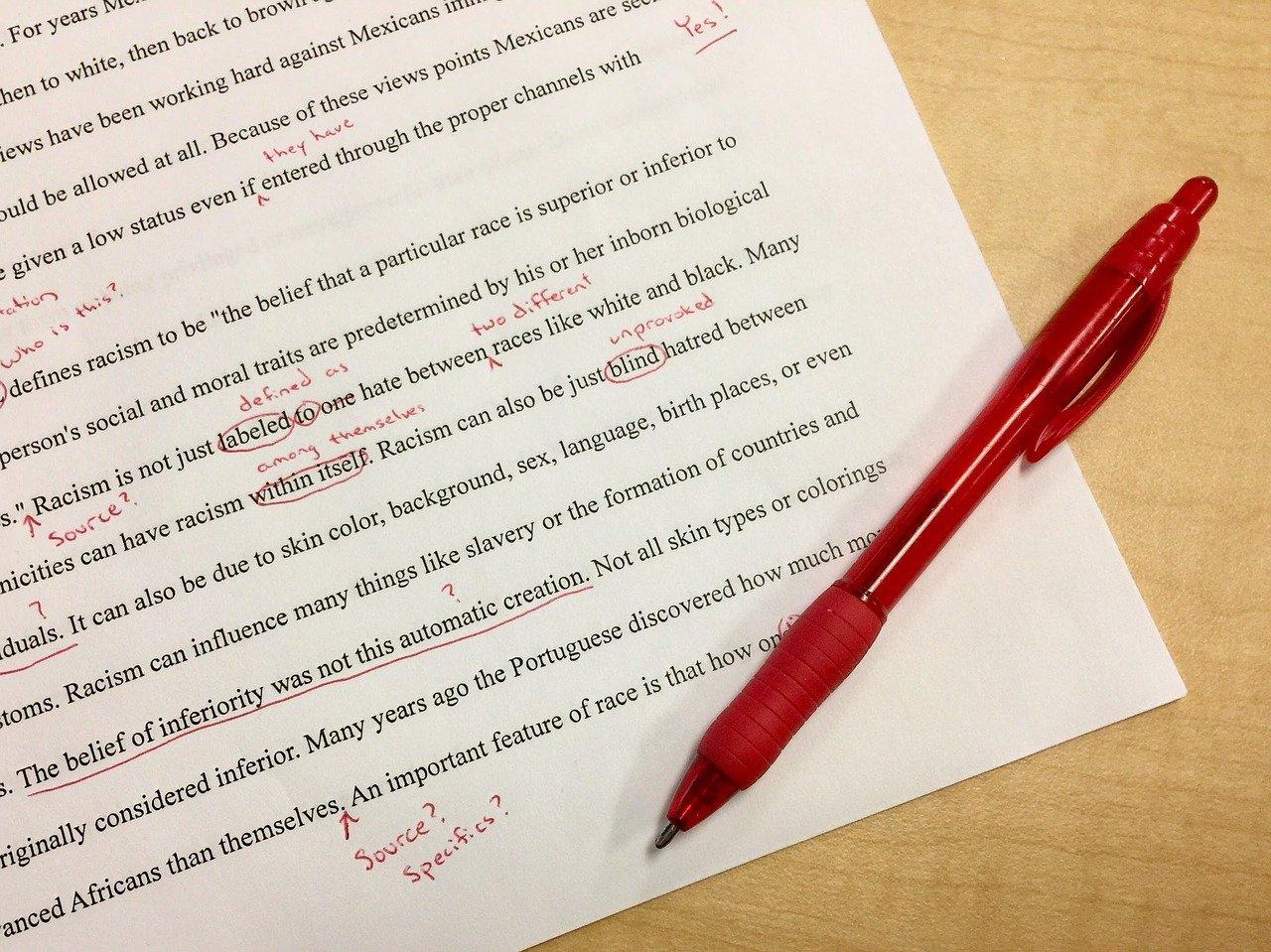
Professional editors understand the craft of writing and the publishing industry. They do much more than tell you “this works” and “this doesn’t.” They see the potential in your book and help you reach that level, offering detailed feedback and one-on-one guidance.
Get Started On Your
Publishing Journey Today!
Or call us 888 408 8965
Types of Editing
Book editing services look at all aspects of your work, from the structure of your outline to the way you use each word. Of course, it doesn’t happen all at once. As you move toward publication, different kinds of editing will help you polish things up in different ways.
Developmental Editing
Developmental editing is the first step in the book editing process. It often happens before the book is finished. An author wants to know if it’s headed in the right direction, so they hire a developmental editor to help them.
A developmental editor sees your book from a reader’s perspective but with the professional eye of someone who knows your genre. They’ll review your book as a whole — its structure, flow, and clarity— and offer detailed suggestions on what you can do to improve it overall. Your book editor will tell you whether:
- The plot makes sense
- The concept is clear
- The chapters are in the best order
- Character development is strong and engaging
- Any gaps or repetitive material interrupt the flow
- The pacing is too fast, too slow, or just right
A developmental editor’s goal is to help you communicate with your audience as effectively as possible. It’s a big-picture edit that should come from someone experienced in your genre.
It’s more like coaching than a critique, taking your book from where it is and making it better. The feedback you get from a developmental editor is detailed and actionable. It points out what works well and what needs reworking, so you can go back and refine things.
Line Editing
Line editing focuses even more closely on the details of your writing, primarily with an eye toward style. A line editor goes line-by-line through your manuscript, helping you use language as effectively as possible.
Line editors help you find the best ways to say what you want to say. They advise you where to change a word, rework a sentence, or tighten something to make it more concise. They’ll keep the big picture in mind, but unlike a developmental editor, they focus more on how each word and sentence contributes to that big picture.
Like a developmental or content editor, a line editor might have feedback on your characterization or plot choices. However, their feedback will focus more on individual word choices and sentence structure.
Line editors may point out glaring usage issues, but they won’t check your work for grammar and spelling. That job belongs to the copyeditor, who reviews a book after any developmental and line editing is finished.
Copyediting
Copyediting is one of the last steps in the editing process. Once you’ve tightened your language, refined the plot, and smoothed the clunky bits, a copyeditor will check your work for accuracy. They’ll read through your work line by line, noting any errors in grammar, syntax, and spelling.
It’s a critical step in the pre-publication process. Errors in a published manuscript will distract a reader and instantly make it look less professional. And everyone makes mistakes, even people who have been writing and publishing books for years. A copyeditor’s job is to catch those mistakes.
Copyeditors ensure you adhere to standard rules of usage like syntax and punctuation. They’ll also ensure that your work is in accordance with publication industry style standards.
Proofreading
Proofreading is a book’s last quality check before it goes to print, like the last review on a manufacturing production line. It does a detailed scan to catch errors overlooked in the previous phases.
Book editing and proofreading go hand in hand. Line editors and copyeditors mostly focus on grammar and style, while proofreaders look for mechanical errors like typos and missed words or punctuation.
Proofreaders also look for formatting errors like missed page numbers, layout inconsistencies, and spacing. The more you learn about book formatting, the easier your proofreading process will be.
A copy editor may proofread, but the process’s structure is different.
How Much is Book Editing?
Editing costs depend on two things: how much time the editor will invest and the level of professional expertise required.
Copyediting is a technical edit that will meticulously look at your manuscript word by word checking for grammar, punctutation, and spelling issues. Developmental edits are more detailed and require more advanced knowledge of the writing craft and publishing industry.
Palmetto Publishing supports a team of skilled professional editors. Here’s how we price our book editing services:
- Copyediting: $0.03 per word
- Line editing: $0.038 per word
- Developmental editing: $0.09 per word
Each project is customized to the author’s needs. Our authors can purchase multiple rounds of revisions with editors to ensure that the book is as polished as possible before publishing.
Getting Started with Book Editing Services
Not sure what kind of editing you need or where to start? The experts at Palmetto Publishing can help. Our editors will walk you through the process and help you get ready to publish. If you need interior formatting or cover design help, your book editor will help you get that, too.
Your book is too important to go it alone. Get in touch today and let us help.
Get Started On Your Publishing Journey
Or call us
888 408 8965
Related Articles
What Makes a Good Cookbook?
Committing to writing and publishing a cookbook requires research and detail to make your work user-friendly and stand out from the competition. Therefore, to successfully market it, you may be thinking, “what makes a good cookbook?” Luckily, there are several answers to this question with key components to help you feel confident about publishing. Fill…Exclusive Interview with Road to Antietam Author Tom E. Hicklin
We had the opportunity to chat with Tom E. Hicklin, author of the newly released Road to Antietam, about his writing process, how he deals with writer’s block, and why he decided to write Road to Antietam How do you approach writing? Do you have a routine or process that you follow? I am very much a…How to Become a Co-Author of a Book
Popular authors in high demand are faced with the pressure to produce more books. To help relieve some of this pressure, an author may seek out a co-author. What is a Co-Author A co-author is someone that contributes a substantial amount of work to a project. They are also known as a joint author…